Note from February 2024 Kate: I wrote this at the end of last year but for some reason never got round to posting it… Looking back now, Fall ’23 was a wild experience that might just be the peak of my Dartmouth experience. So many questions left unanswered but I’m grateful I got to navigate all the messiness with community :’)
November 2023:
At the end of every Dartmouth term, I look back and wonder how 10 weeks have slipped through my fingers just like that… Fall 2023 was crazy and messy and an absolute whirlwind—but probably also my favourite term yet. Thanks to Fossil Free Dartmouth and other moments of activism, this was the first time I felt like I had a real purpose being a student in this institution.
I still remember when I found out I’d been accepted into Dartmouth, my first thought was: Is it right for me to go? Am I perpetuating inequality by going? When I got the Loke Cheng-Kim Scholarship, I questioned if I was “taking it away” from someone who might need the financial support more.
These questions have only become more persistent the more time I’ve spent in college. The Ivy League is a place of radical inequality—the system is literally built to favour the white and wealthy… Dartmouth also has direct ties to the fossil fuel industry. Our campus itself still runs on No. 6 fuel oil which is one of the dirtiest fuels. This term, more than ever, I felt like being a student there contradicted my moral compass. Confronted with all the acts of violence in the world, from the ongoing genocide in Gaza to the climate crisis, I felt helpless and complicit in so many ways.
So I did what I knew best: I took a stance and mobilised.
- Brought a group of Dartmouth students to the NYC Fossil Fuel March
- Launched a report about the Irving Institute, a fairly new energy institute at Dartmouth that is in part funded by Irving Oil—which owns Canada’s largest oil refinery—and literally named after an oil tycoon
- Organised a climate rally
- Met the College President twice to discuss the possibility of Dartmouth cutting financial ties with the fossil fuel industry (she was so not for it)
- Participated in rallies for Palestine
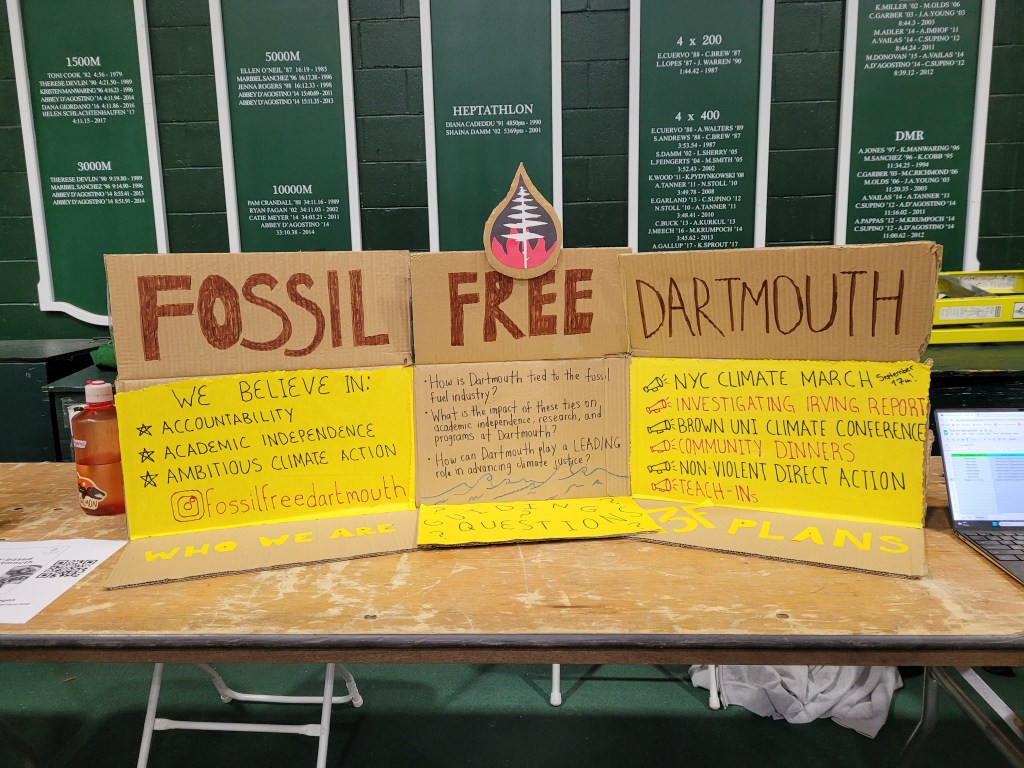
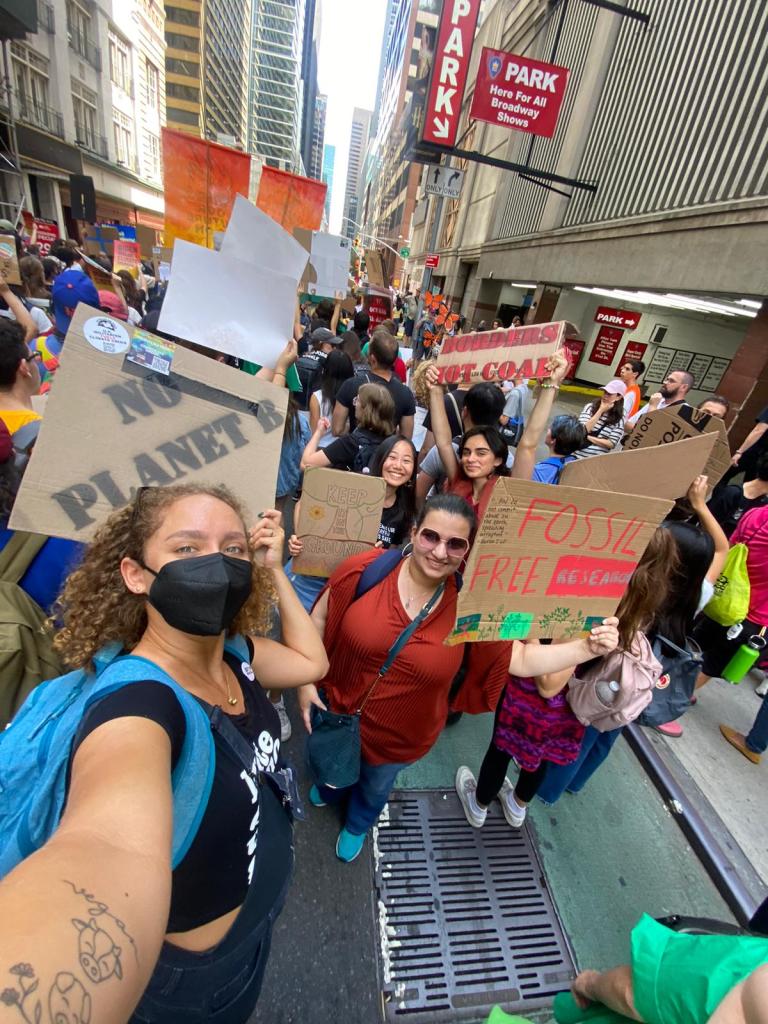

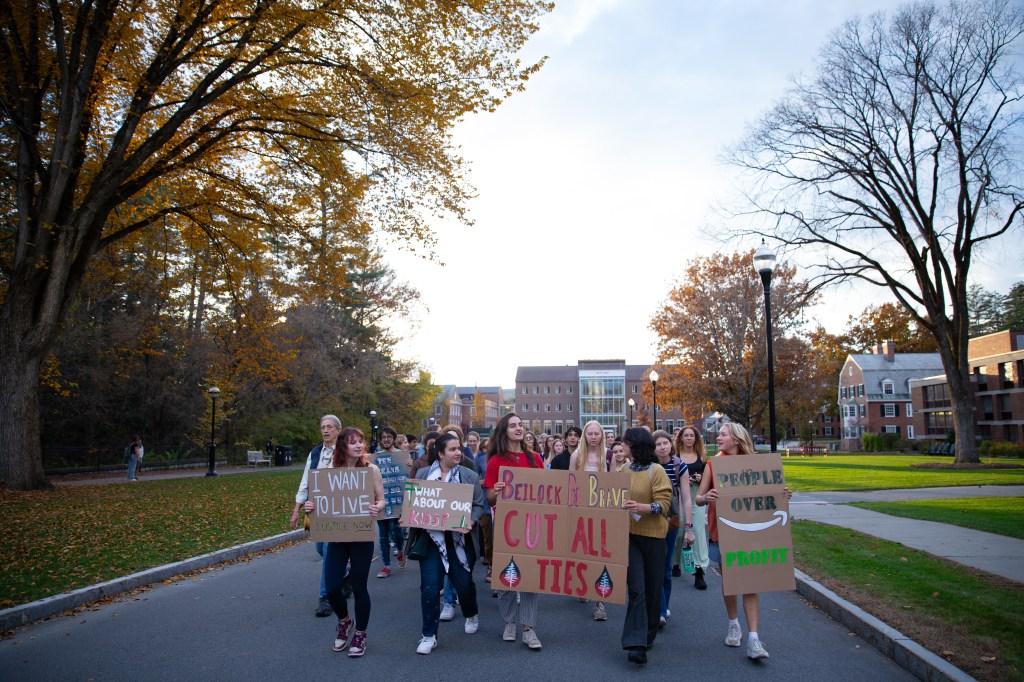
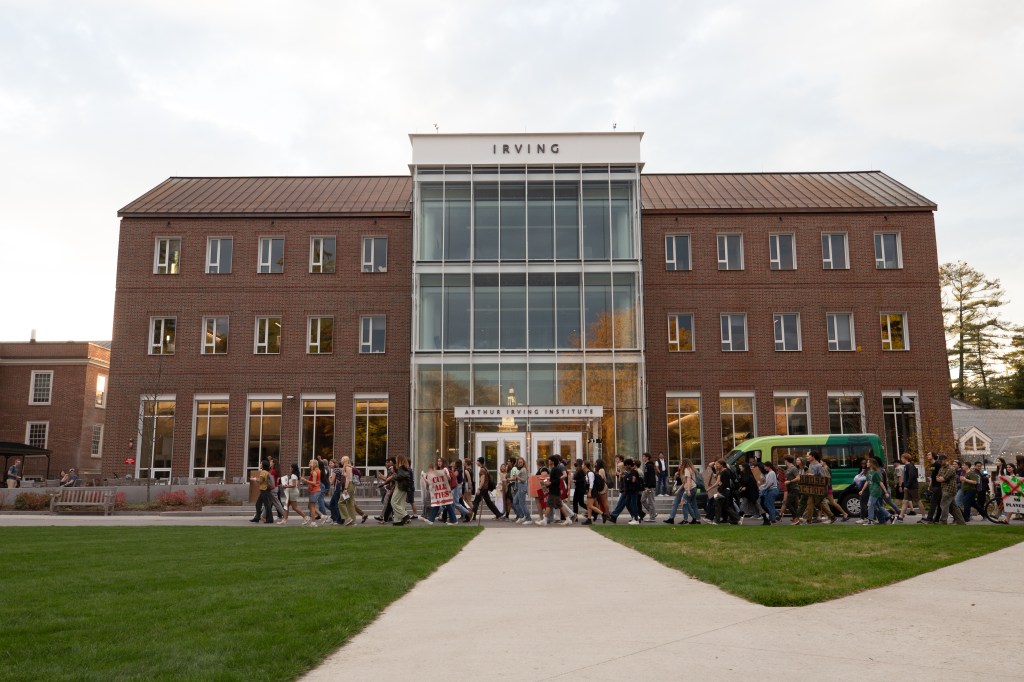

It was honestly so energising. I found community and support, sometimes from allies who I hadn’t even known existed. I found a voice that I’d been suppressing because of imposter’s syndrome. Throwing myself into organising gave me newfound purpose as a Dartmouth student: I felt like I was finally fighting back against the status quo that this institution exists to perpetuate.
But we were also constantly fighting fires throughout the term (by week five, the high stress level warnings on my Garmin had become a running joke). Two moments, in particular, stick out:
1. After the events of October 7, a statement drafted by the Dartmouth Palestine Solidarity Coalition began circulating, and the Fossil Free Dartmouth Steering Committee had an extensive discussion about whether or not we should sign on. I ended up voting no. To be honest, I was at that point woefully ignorant about the Israel-Palestine conflict and still in the process of educating myself, and did not feel comfortable attaching my name to something I had no grasp of. It almost seems trivial now—signing a statement—but in that moment it felt like such a heavy decision. Ultimately as an organisation we left our name off, sent resources on the conflict to our group chat, and later in the term I took part in activism efforts calling for a ceasefire. Those initial discussions taught me that a revolution has many lanes (!!), and that it is okay to take some time to process crises and work out an opinion for yourself. Just because I don’t post about something doesn’t mean I’m not engaged.
2. In late October, Fossil Free Dartmouth published the “Investigating Irving” report which I co-authored. The report meant to shed light on the contradictions of Dartmouth’s Irving Institute, a “sustainability” centre named after an oil company. While we received quite a few messages of solidarity, the report also upset some people especially staff working within the Institute (who, for the record, have a genuine commitment to sustainability).
I have long learned that speaking up always comes at a cost, so I was already bracing myself for the mixed responses. That still didn’t make it any less difficult though, particularly when relationships with people I really care about became strained. (Other voices I’ve learnt to shrug off, like the oil exploration guy who came after us lol.) How do I continue to voice what I believe is right, while being sensitive and respectful to those around me? I still grapple with this question every day.
Inevitably, I’ve also been forced to consider whose opinions ultimately matter to me. In taking a stance against the fossil fuel industry, I was called idealistic, arrogant, too radical, not radical enough. I was told that my way of activism is not meaningful work. For my own sanity I’ve learnt to filter out some voices; taking accountability and being teachable and open does not mean internalising all criticism, especially when it gets personal.
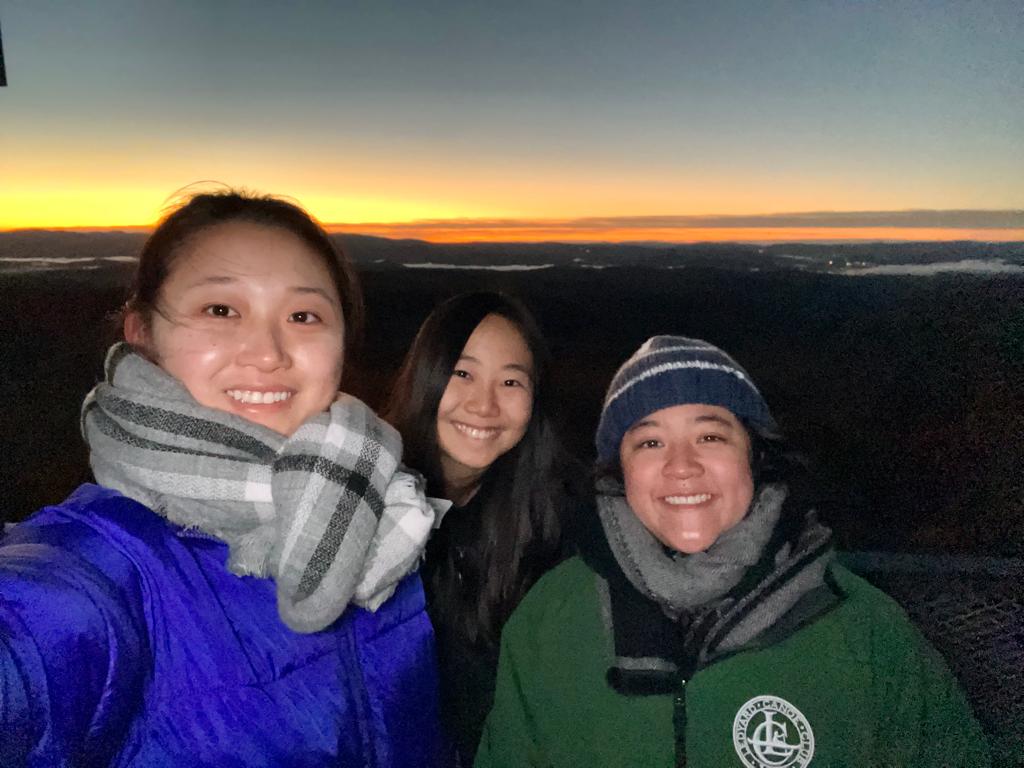
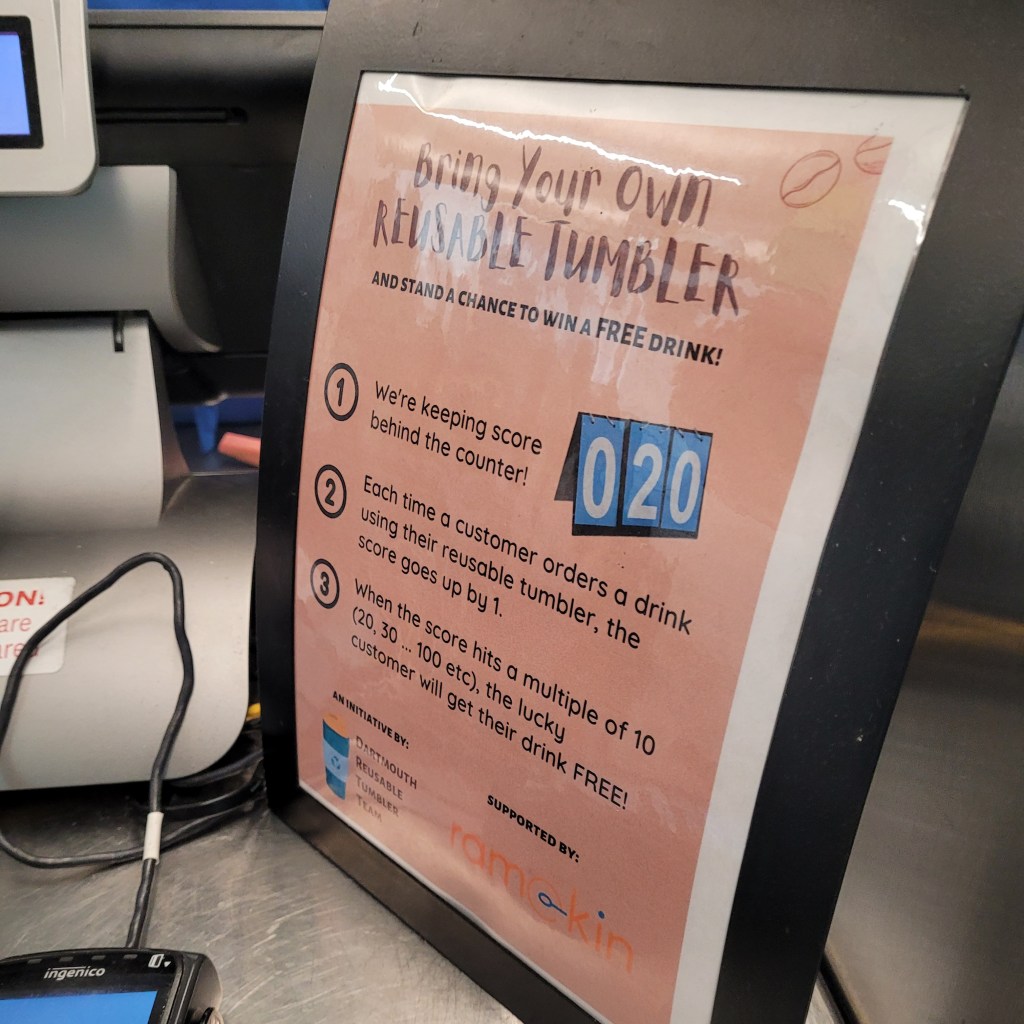
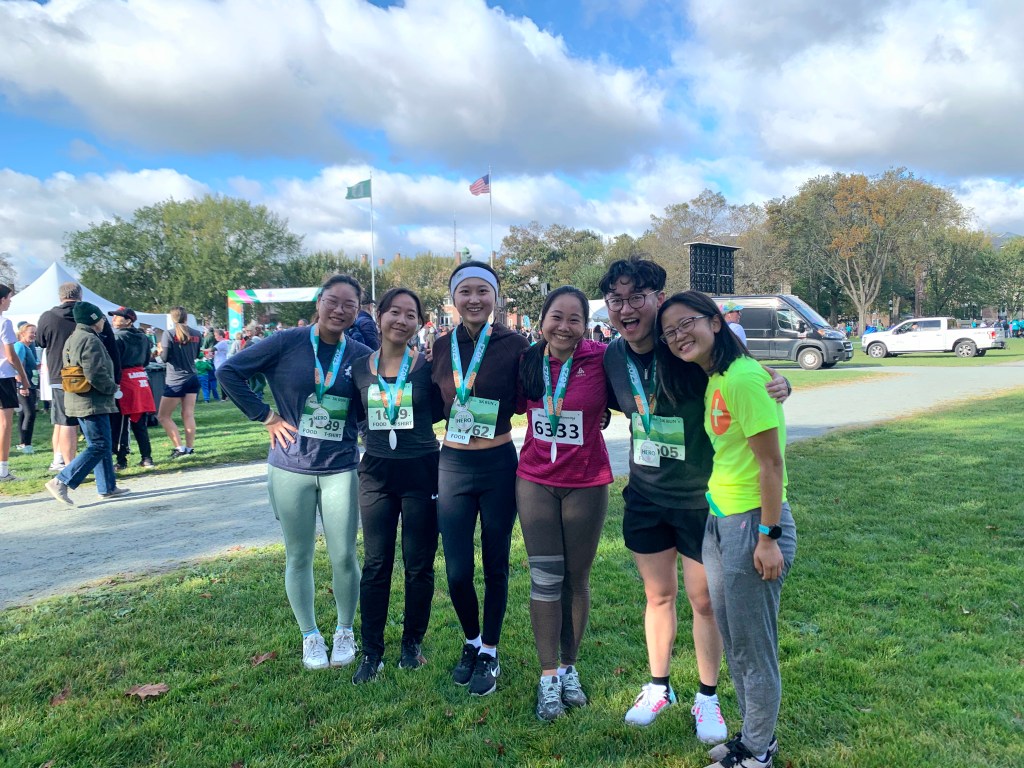
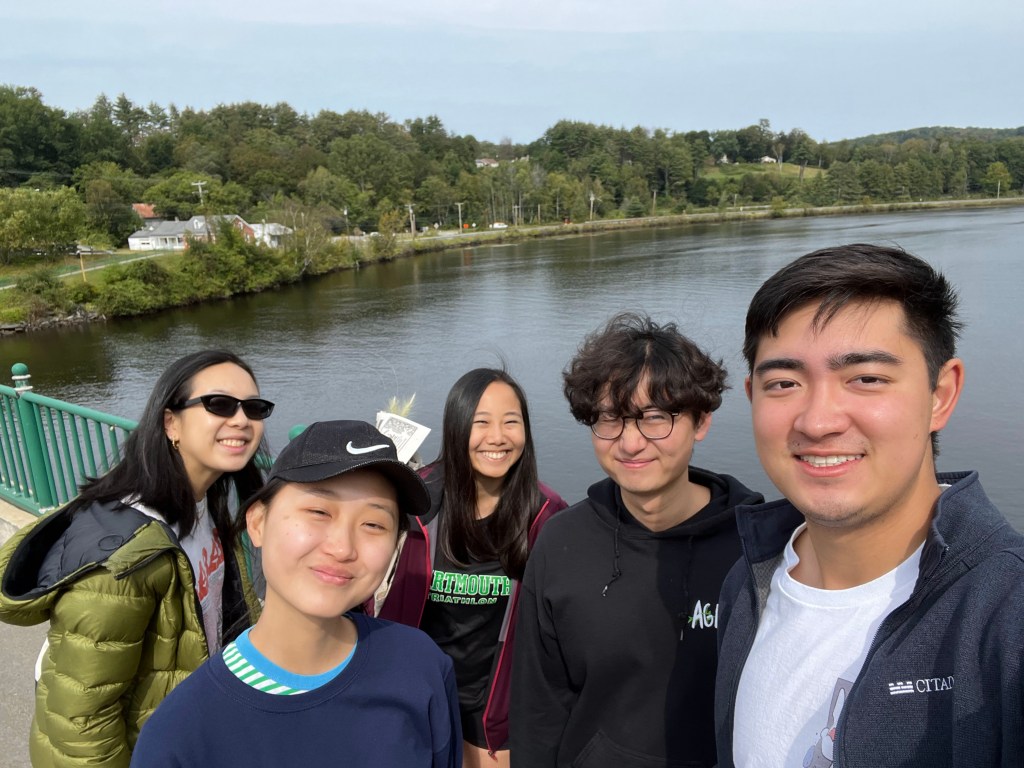
So when I say this was my favourite term, I don’t mean it was easy—far from it. It was difficult, emotional, and sometimes draining. But it was also meaningful in so many ways, be it lessons learnt the hard way or finding community. This term I also let loose a little on my grades: it was my first time not doing every reading cover to cover. My goal was to get As with the least effort necessary (sorry profs), and it worked out well. I even managed to squeeze in a trip to DC, cooked and baked with friends, went on long walks, and had fun attempting latte art at work with my co-workers (we failed miserably).




Circling back now to the question I started out with: Is it “right” for me to be a Dartmouth student? For now, this is what I’ve settled on: Now that I’m here, I should make the most out of opportunities that come my way and do my best to shape a Dartmouth that I can feel proud to belong to. And yes, maybe that means I’ve given in to a Faustian bargain, but when I graduate in 2025 I want to be able to look back and know I did my best to drive change in this institution, both within and from the outside. I am choosing to show up where I can.
 Kate Yeo
Leave a comment