I have a terrible habit of reading books then forgetting what they’re about… Goal this year is to read at least 10 books and document quick thoughts about each one! (Academic reads for school don’t count.) Updating this list as I go.
December 2023
(These don’t count but were all great reads)
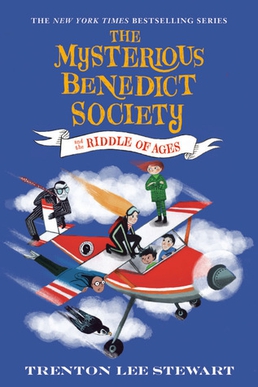
The Mysterious Benedict Society and the Riddle of Ages by Trenton Lee Stewart
MBS is one of my favourite book series EVER and I recently found out there’s a fourth book where the kids are all older and navigating growing up. So much nostalgia and always such clever puzzles.
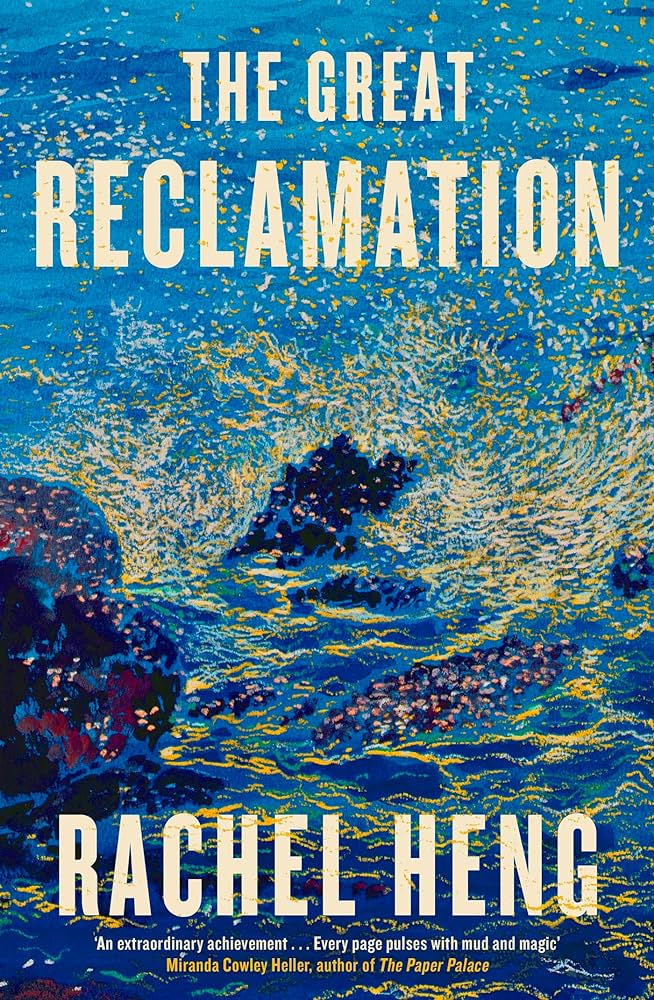
The Great Reclamation by Rachel Heng
LOVED THIS ONE!!! Finished it in one sitting which is rare for me. Follows the journey of a kampong boy through Singapore’s modernisation period. Heng covers so much ground: colonialism, romance, familial ties, development, and the ecological and cultural costs of ‘progress’. When nation and nature collide…
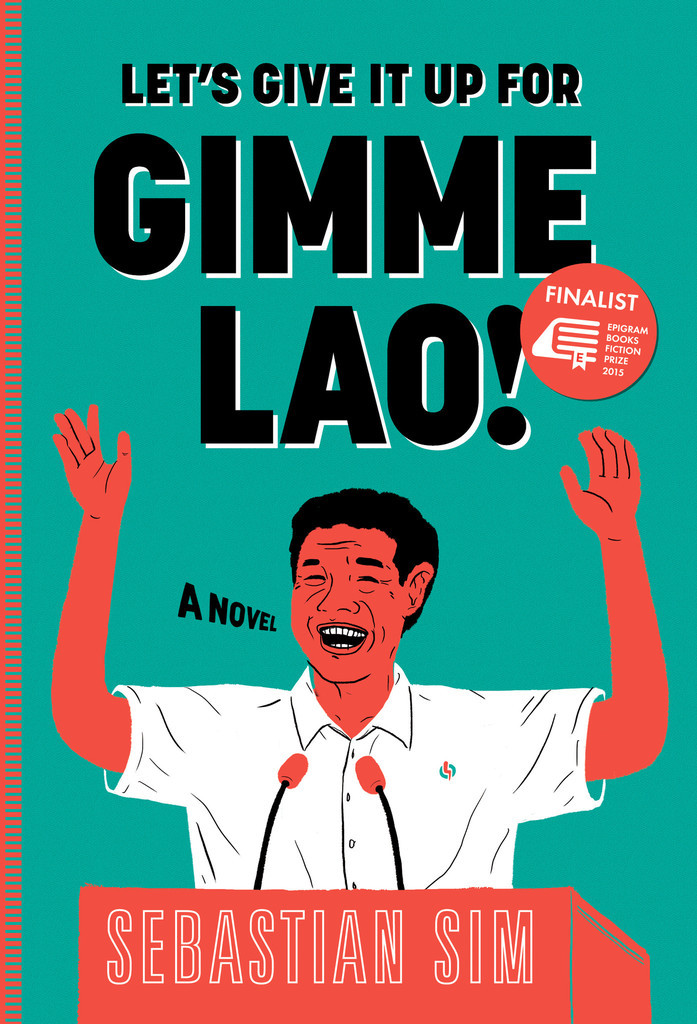
Let’s Give It Up for Gimme Lao! by Sebastian Sim
Fun and funny read. Another piece that covers Singapore’s modern history from 1965 to the 2010s. The author takes aim at Singapore’s one-party politics, Christian megachurches, and LGBTQ+ discrimination.
2024
(Count starts here!)
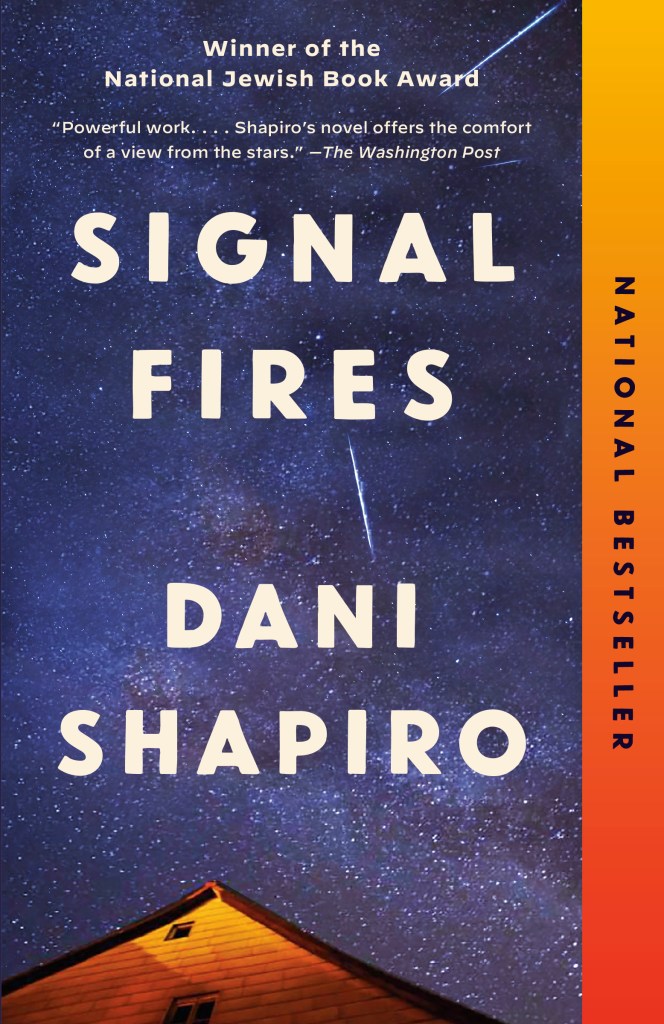
1. Signal Fires by Dani Shapiro (January)
Predictable and somewhat cheesy plot, but I still found myself rooting for each of the main characters. Very heavy themes: guilt, grief, loneliness, family. Agree with some reviews that Shapiro heavily favours sentimentality over character development.
2. The Tattooist of Auschwitz by Heather Morris (March)
A book about the Holocaust. The main character Lale Sokolov is a Slovakian Jew who works as a Tätowierer at the Auschwitz-Birkenau concentration camps. There, he falls in love with another prisoner Gita Furman and goes to length to smuggle letters, extra rations, and other provisions to her and her friends. Based on a true story but with quite a bit of dramatic license.

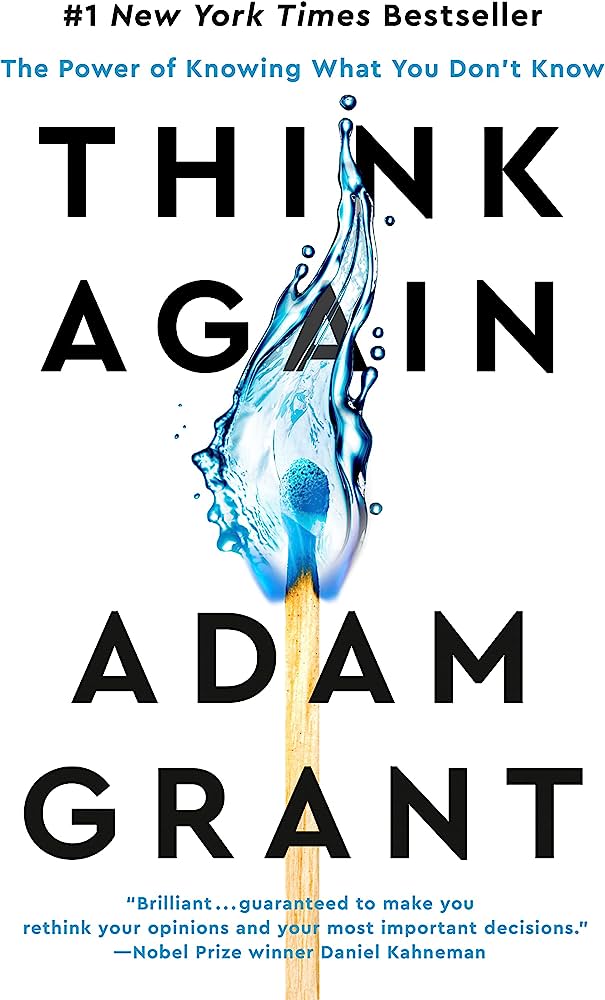
3. Think Again by Adam Grant (March)
Finally got round to reading this in full! Adam Grant is an organisational psychologist who has gained quite the following on social media with his bite-sized quotes on emotional intelligence, leadership, etc. I quite enjoy his podcast (Work Life) but to be honest I didn’t really enjoy this book.
His core argument: we must be more open to the possibility of evolving our beliefs. Humility over pride, doubt over certainty, curiosity over closure. Things I agreed with: be open-minded; seek differing views to escape echo chambers; it’s okay to be uncertain; offer your argument while giving people the autonomy to make their own choices. But I also think there are situations where it’s okay—in fact, necessary—to firmly stand up for what we believe in. The whole notion of ‘it’s too complex’ is precisely the kind of argument that is used to perpetuate crises like the ongoing genocide in Gaza. I’m not quite sure how to reconcile Grant’s emphasis on the value of doubt in such situations where there is a strong moral element at play. Though I take Grant’s point that rethinking isn’t about being nice and agreeable; it’s about fostering respect, trust, and being open to learning.
I also wasn’t convinced by some of the case studies Grant used, e.g. why Apple was so successful or why certain space missions failed. There can be a lot of hindsight bias in retelling these stories and I’m sceptical about pinpointing success or failure to one factor (i.e. ‘they failed to challenge their assumptions’).
Grant’s writing is engaging and easy to follow—but the book gets pretty repetitive and you can get the same insights from his social media. If you’re interested in further exploring his work, I’d highly recommend his NYT article on languishing that went viral during the Covid-19 pandemic.
4. What They Forgot to Teach You at School by The School of Life (March)
Inspiring title but unfortunately fell short for me. It’s quick and simplistic, and if you’ve read authors like Brené Brown you might find it quite repetitive. The authors subscribe to a form of optimistic nihilism: i.e. the universe is meaningless so you are free to build your own meaning. Finished it in one sitting!
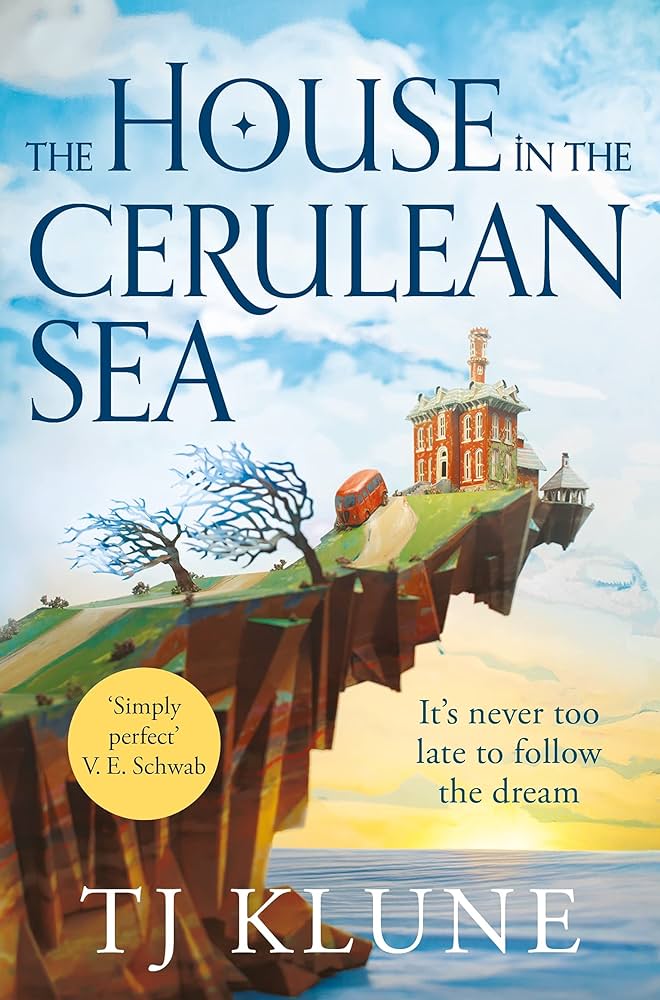
5. The House in the Cerulean Sea by TJ Klune (May)
Heartwarming and wholesome—or, if you’re in the wrong mood for it, sappy and shallow… I enjoyed it on the whole! The story is set in a whimsical fantasy world. An uptight, by-the-book caseworker from the Department in Charge Of Magical Youth is assigned to Marsyas Island Orphanage, where he gets to know six children with magical powers who are viewed by society as misfits. At its core, this is a story about withholding judgement, tolerance, love, and belonging. The characters are easy to love, and I found myself rooting for them from the start.
MAJOR CAVEAT: In an interview, Klune said he drew inspiration for the book from the Canadian Sixties Scoop, which is when over 20,000 Aboriginal children were forcibly removed from their families and put into residential schools. To take that horrible, traumatic history and turn it into a fantasy novel… definitely colours my view of the book now.
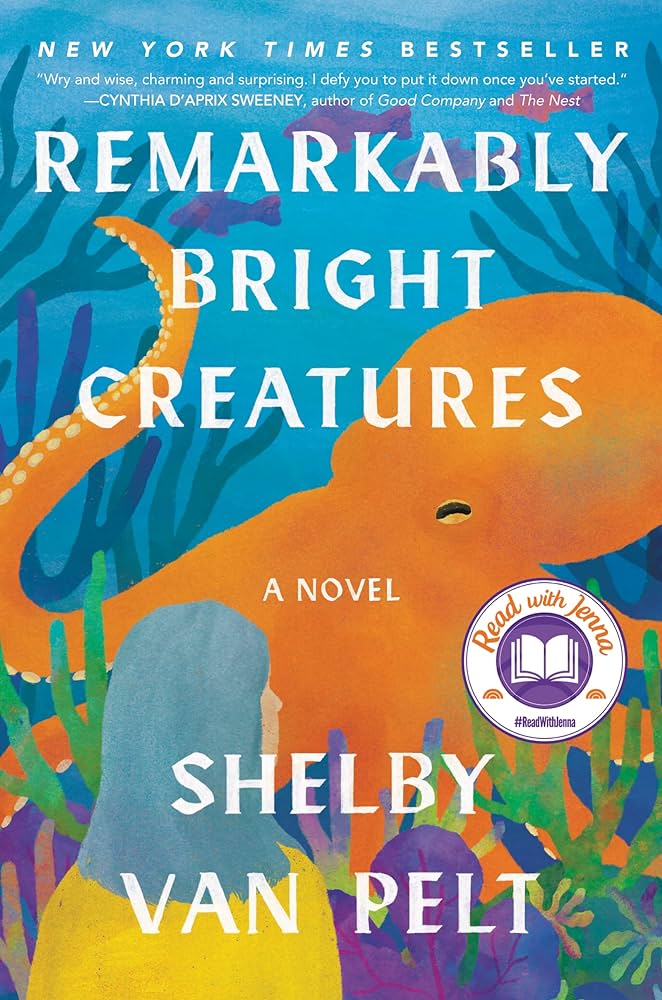
6. Remarkably Bright Creatures by Shelby Van Pelt (June)
What a heart-filled book. The story follows recently widowed Tova Sullivan, who works as a cleaner at the Sowell Bay Aquarium and forms a special bond with Marcellus, a giant Pacific octopus at the aquarium. The plots start out disjointed and somewhat mundane, but everything weaves nicely together in the latter half. This made such a lovely read on my daily morning commute or after a long day of work. Couldn’t put it down towards the end!
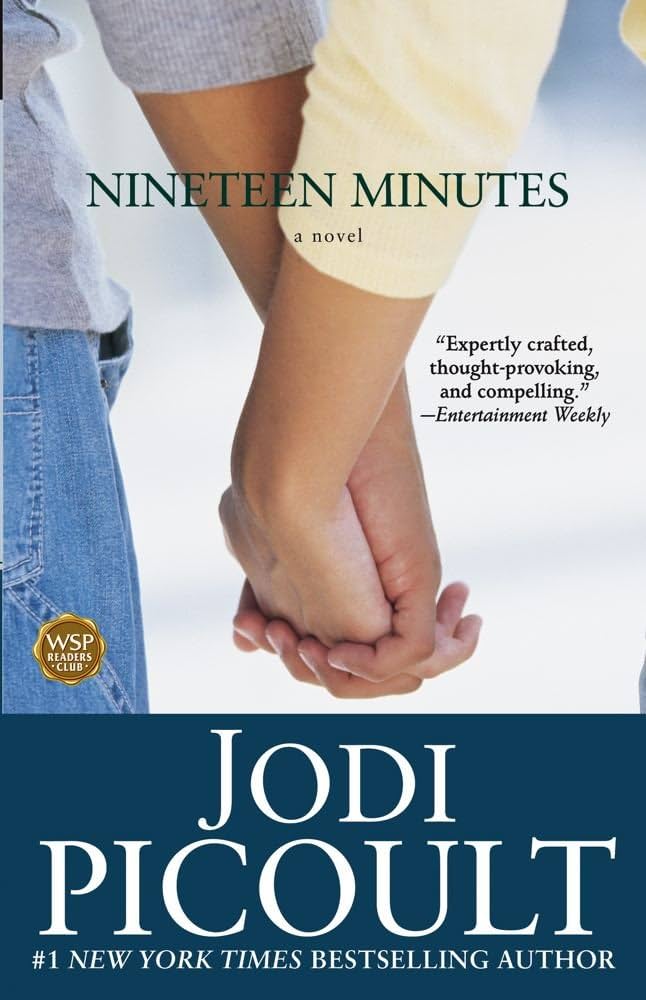
7. Nineteen Minutes by Jodi Picoult (June)
I’ve read this book before, but it must have been before I entered college because this time I recognised so many locations mentioned in the book: the Dartmouth-Hitchcock Medical Centre, Concord, Grafton County Jail, etc. (Jodi Picoult apparently lives in Hanover, New Hampshire, which is the town where Dartmouth is!)
Nineteen Minutes traces a violent high school shooting and its geneses. Picoult throws a spotlight on bullying, family trauma, and the loneliness that comes with a facade of popularity. Stellar character development, multi-faceted, and incredibly thought-provoking. Picoult truly is one of my all-time favourite authors. All her books are such page turners. I finished this in less than a day! She never fails to surprise you with a plot twist. I can’t decide, though, whether the book humanised the shooter too much… I guess that was ultimately her goal, to complicate the characters and their backstories, and show that we all reside in the grey.
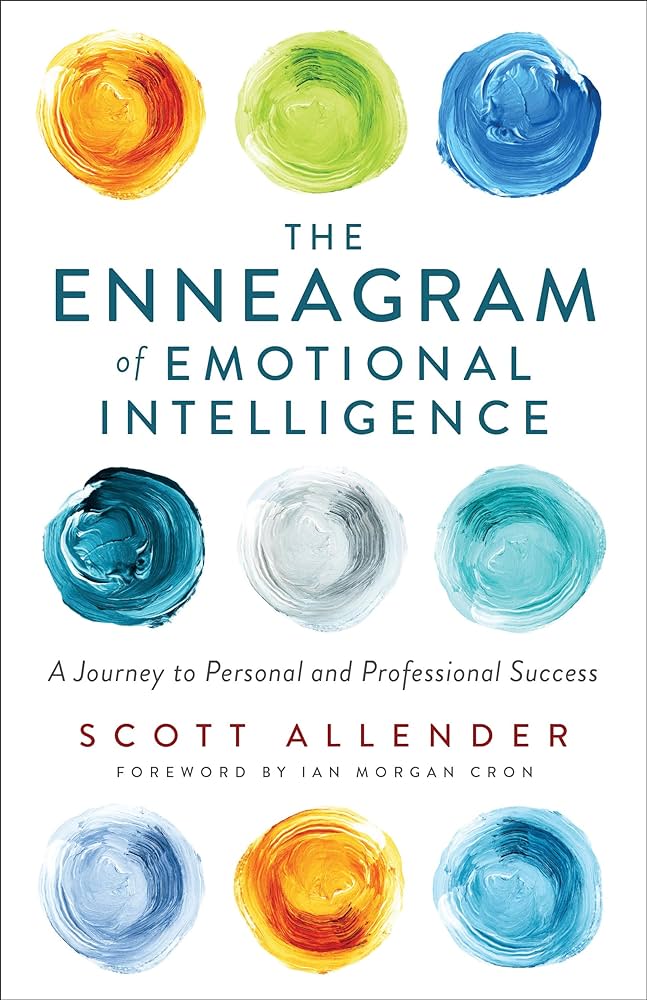
8. The Enneagram of Emotional Intelligence by Scott Allender (June)
I first came across the Enneagram framework in JC, then again during an internship with Common Ground Singapore. This book was a helpful, well-structured refresher of the nine Ennea-types. Not the most exciting read, but serves as a good reference if you’re keen to dive in deeper.
I summarise key points of the book here.
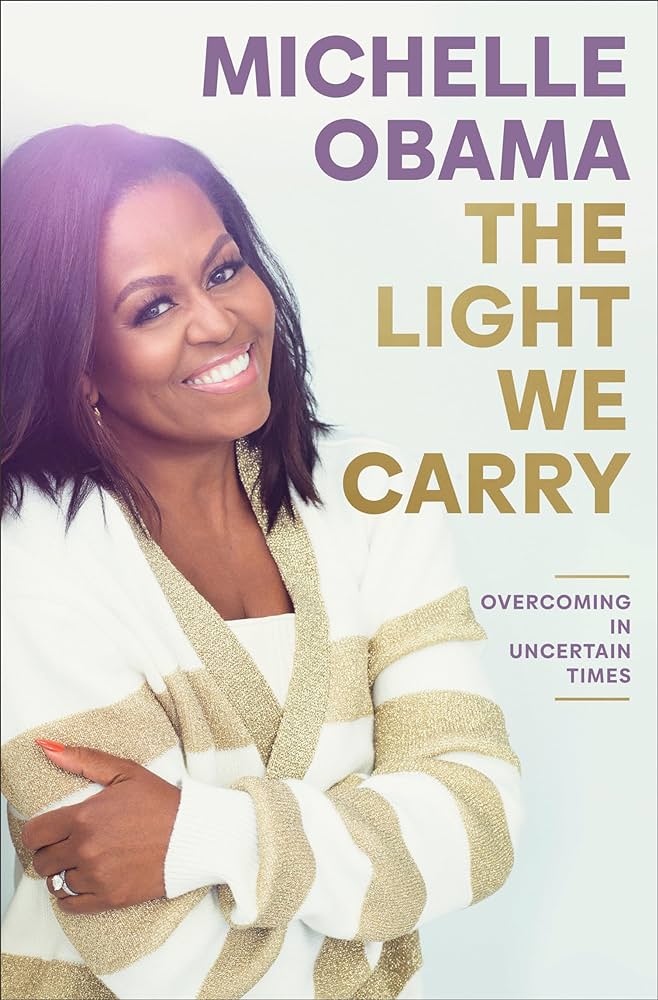
9. The Light We Carry by Michelle Obama (June)
I tore through this book in less than a day. Absolutely recommend it to all my friends in the civil society space! Through personal anecdotes, Michelle Obama offers relatable, heartfelt, and practical advice on pushing through difficult moments in changemaking. There’s something so comforting about knowing the former FLOTUS also struggles with imposter’s syndrome, and with the feeling that we will never be able to do enough to repair all the harm in the world. But she reminds us to keep pushing forward anyway. “The holes will always be big, the answers slow to come,” but it is okay to claim small victories along the way.
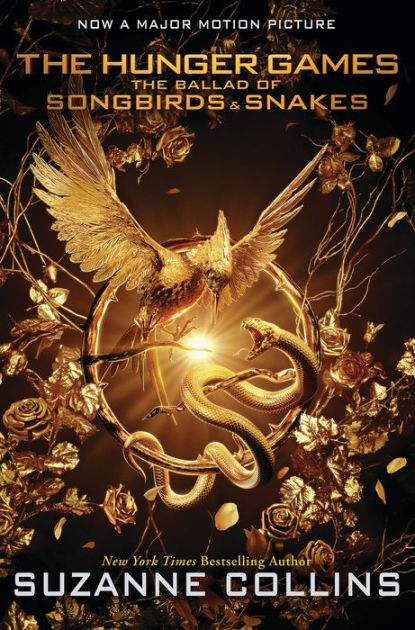
10. The Ballard of Songbirds and Snakes by Suzanne Collins (June)
THIS WAS SO RIVETING holy sh*t. Suzanne Collins!!!!!! Wow. 11/10. It’s a prequel to the Hunger Games trilogy, focusing on Coriolanus Snow’s backstory as a student in the Capitol Academy. The Academy’s top 24 students are selected to mentor tributes in the 10th Hunger Games. (For context, Katniss Everdeen competed in the 74th Hunger Games.) Surprise surprise, Snow is assigned to the female tribute from District 12.
My least favourite parts of the book were the song lyrics, which didn’t resonate in text form, though the movie soundtracks bring them to life. But on the whole, I love that Collins didn’t simply try to garner sympathy for Snow. The story humanises him, and provides more context to his ambition and obsession with control later on as President—but ultimately reveals the evil that resides in him.
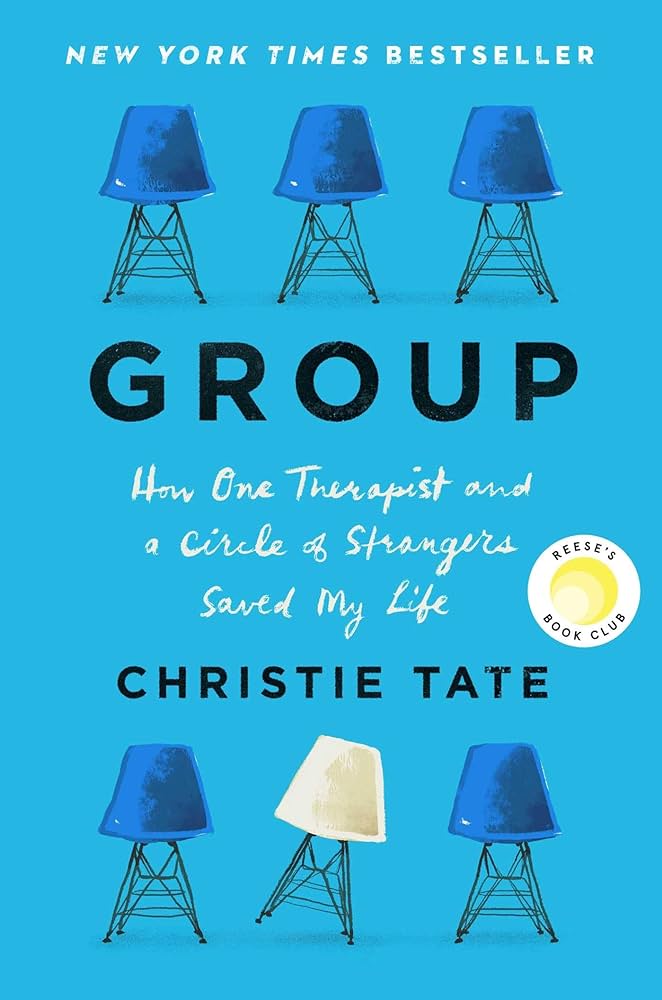
11. Group by Christie Tate (July)
A friend recommended this book almost a month ago, but it took me a while to pick it up because it just seemed like the ‘classic’ mental illness story. High achiever with everything together on paper → battling an eating disorder, loneliness, and suicide ideation → goes to therapy → eventually finds healing.
Tate’s story is all of that, but nothing about it is conventional. Her therapist, Dr Jonathan Rosen, runs psychotherapy groups where patients are forced to bare their soul with one another. Childhood trauma, tantrums, eating habits, dating life, sex life—all of it has to be shared in Rosen’s group therapy. “You don’t need a cure. You need a witness,” is his philosophy. After all, shame amplifies in secrecy. I can’t say I agree with Dr Rosen’s methods—the whole ‘100% vulnerability with your group’ thing felt so insanely intrusive (not to mention cult-like). It’s clear throughout the book, though, that group therapy played a pivotal role in helping Tate grow in her capacity for intimacy and sense of self. I love how real the author was about the process. She reaches a ‘happily ever after’ ending of sorts, but only after we watch her fall apart again and again. We see her moments of pain, of feeling stuck, of backsliding, and her repeated frustration at Dr Rosen. The repeated questions of “is therapy really helping”, “am I just wasting my time and money”, “will I ever get better”… those moments really resonated.
The main takeaway of this book: show up. Fully, wholeheartedly. You will never know intimacy if you cannot bring your whole self to a small group of trustworthy people. There are no quick fixes—but showing up as yourself is enough.
12. Tell Me Your Dreams by Sidney Sheldon (August)
Sidney Sheldon marked my first (accidental) foray into ‘adult’ authors—I chanced upon one of his books at home in third grade, which sent my parents into a bit of a tizzy…. Sheldon is a master at crime and thriller. Jodie Picoult-esque but darker, scarier, and with less warmth. This book was interesting but didn’t hold the usual suspense I am used to from his books. I’d recommend Sheldon’s If Tomorrow Comes (one of my all-time favorite reads) instead!
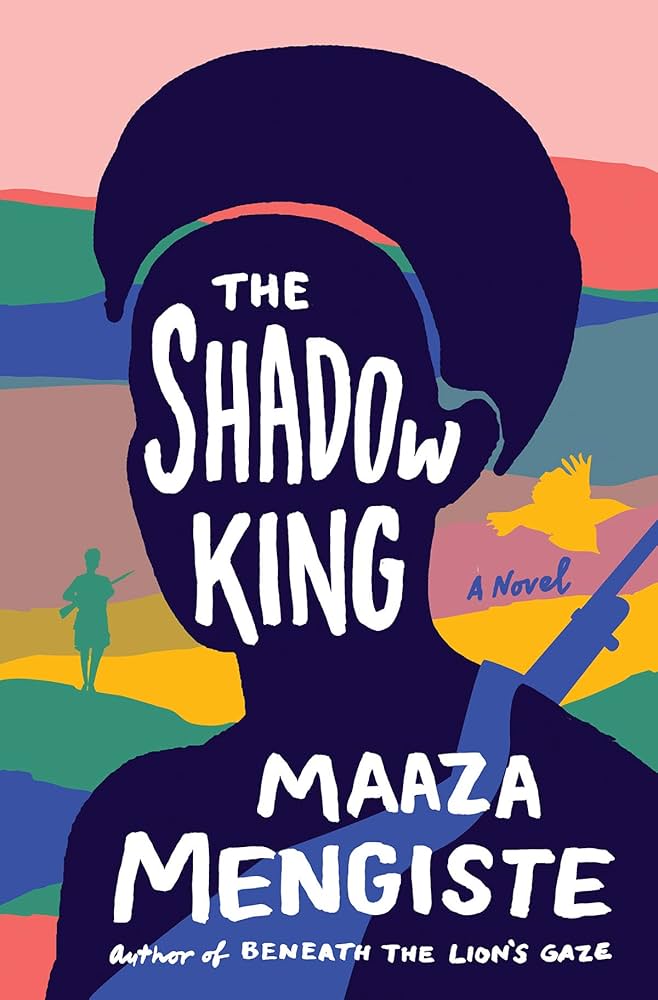
13. The Shadow King by Maaza Mengiste (August)
A piece of historical fiction about how outnumbered Ethiopian soldiers fought off Mussolini’s invasion, centering the experience of women. I loved the overall story arc, though the lack of punctuation for dialogue (no quotations) was hard to follow at times. Mengiste has a flowery writing style that may not suit everyone’s palate—I personally quite enjoyed it. Definitely not a light read though! There are descriptions of sexual assault, violence, and death.
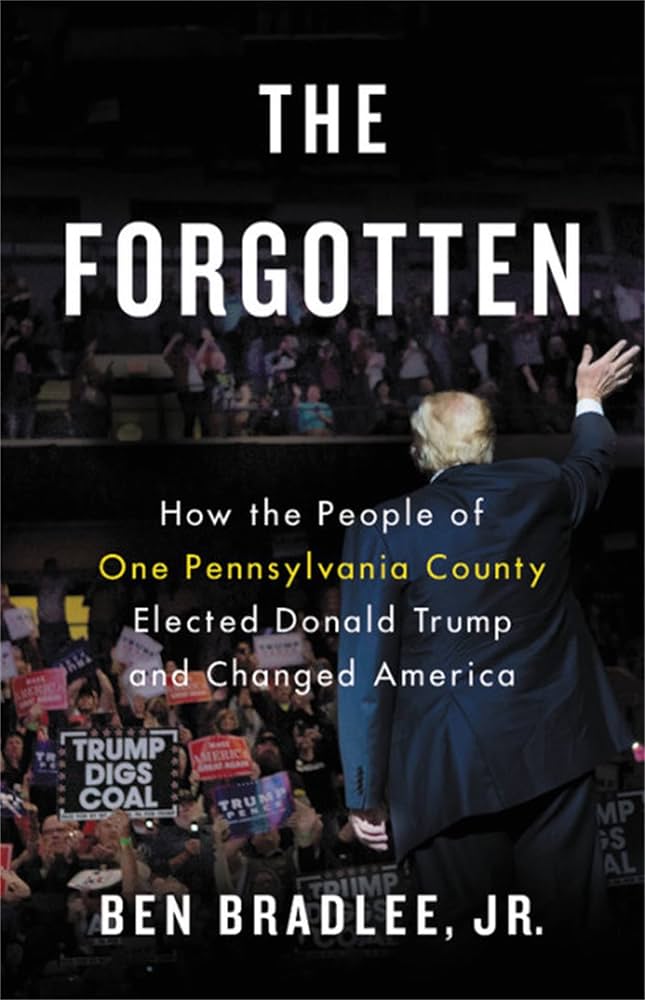
14. The Forgotten: How the People of One Pennsylvania County Elected Donald Trump and Changed America by Ben Bradlee Jr. (August)
Some context, if you’re not familiar with US politics! Trump’s electoral victory in 2016 was primarily decided in three “swing” states: Pennsylvania, Michigan, and Wisconsin. None of these states had voted for a Republican president since at least 1988—until Trump won all three states by just 77,689 votes. In this book, Bradlee zooms in on Pennsylvania’s Luzerne County, formerly a Democratic stronghold, interviewing a range of Trump voters about their choices.
Why people voted for Trump:
- Globalisation, free trade, falling wages, feeling economically marginalised. Luzerne County was hit hard by the loss of manufacturing jobs.
- Government welfare: Resentment against welfare recipients, feeling like they were cutting the line and that the government was encouraging people to be lazy
- Feeling pushed away and even mocked as liberal culture became more dominant
- Concerns about illegal immigration and being drawn to Trump’s emphasis on securing the borders (and building a wall)
- Critiquing Obama’s “apology tour” in the Middle East as unpatriotic
- CNN fact check: Obama never went on an apology tour. As President, he did indeed mention past U.S. flaws in speeches. But in those addresses, Obama never uttered an apology for the United States.
- Strong distrust of Hillary Clinton, particularly over her email controversy and Benghazi. Felt like Hillary looked down on them: “Hillary was cocky. She felt she had it won. … I think Hillary thought Trump was just a big joke, and that only the uneducated people were going to vote for him.” (140)
- They like that Trump doesn’t care about being politically correct
- (Some interviewees did raise concerns about Trump’s divisive rhetoric—but ultimately decided to give him the benefit of the doubt.)
I really had to bite my tongue reading this book… The point, though, was not necessarily to be convinced; rather, to understand. The crux is that people felt like they had nothing to lose. Citizens felt politically and economically disenfranchised, and Trump seemed like he understood their frustrations. As the 2024 election approaches, this book holds important lessons for the Democratic Party in not taking voters’ support for granted. Personally, I’m also curious about how the interviewees’ views have shifted since 2016, particularly after the Jan 6 insurrection.
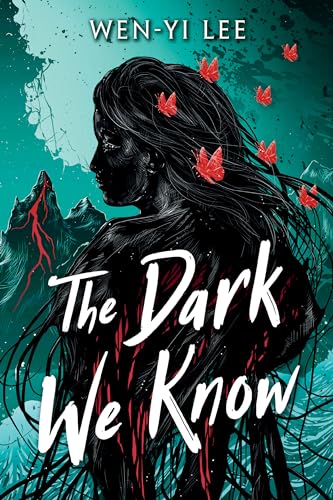
15. The Dark We Know by Wen-Yi Lee (September)
Full disclaimer: Wen is a family friend whom I’ve known since I was 7. Wen if you see this, WE ARE SO PROUD OF YOU!!!!
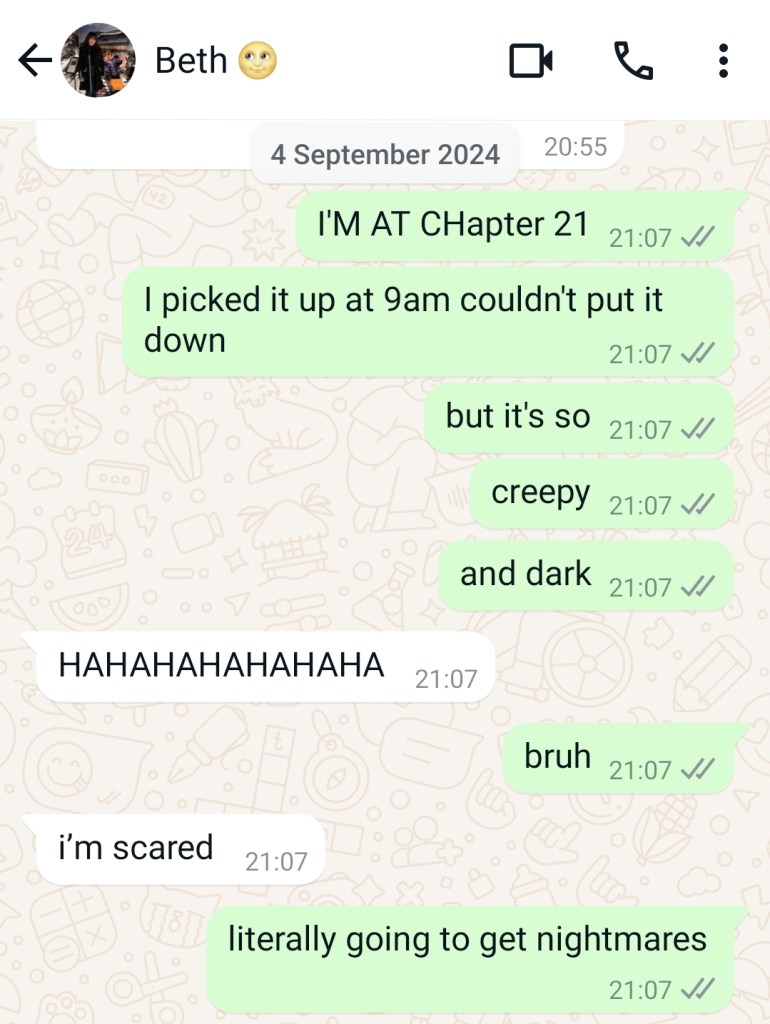
This is Wen-Yi Lee’s debut novel and GOSH it is incredible. You are in for a crazy, bone-chilling ride!!! I literally had to pull my window blinds down because I got so scared reading this at home. (It’s classified young adult horror.) Tldr, young people in the mysterious town of Slater are dropping dead, and Isadora Chang and her friend Mason are racing against time to find out why—before the shadows take them too. This isn’t just a superficial ghost story. At its core, it’s about confronting one’s past, learning to make difficult decisions, and letting go.
The characters and plot get confusing at times—I couldn’t keep up with all the names explaining Slater’s history—and I wish the ending had been drawn out a tad more. It felt like a very quick conclusion following the most insane climax. But altogether this is a gripping story, and I am genuinely so impressed by the genius and creativity behind it!
(Conversation with my older sister:)
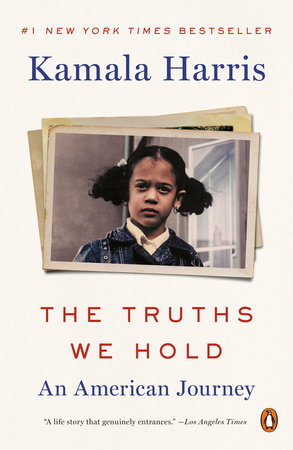
16. The Truths We Hold: An American Journey by Kamala Harris (September)
It’s U.S. election season! I spent the last few weeks of my summer break going down a bit of a Kamala Harris rabbit hole. Frankly, she never stood out to me as vice president, but now she’s all over my news feed. Who is Kamala Harris, and what does she stand for?
Read my key takeaways here.
17. Climate Justice and the University by Jennie Stephens (December)
I literally never have time to read during the school term, but it’s winter break so we are back with another book review!! Key ideas: That higher education is a greatly underleveraged resource within society. Many universities today have been captured by corporate and financialised interests. Rather than supporting ideas on systemic social change, they promulgate incremental change and technical fixes, locking us into the status quo. But what if universities could be radically restructured for the public good? What if, instead of concentrating wealth and power, universities focused on partnering communities and serving local needs?
This book offers so many important, creative ideas for universities: from implementing mandatory climate education (112) and investing in fare-free public transit in the local community (87), to implementing a wealth accumulation cap for university endowments (176-177). Downsides: the book was frankly quite academic and repetitive. Also, while Stephens doesn’t shy away from acknowledging how daunting the task of restructuring higher ed will be, I wish she’d more specifically detailed how “elite” universities could begin to instill a paradigm shift. I didn’t leave convinced, for instance, that Harvard or Dartmouth can feasibly shift away from their alumni giving model given how entrenched these systems are. Another question I’m sitting with: how can people who are a part of these institutions drive change from within?
On a more personal note, Stephens came to speak at a Fossil Free Dartmouth panel in April and shared so many powerful insights on the harm—and potential!—of private universities. I also have immense respect for her decision to move to a public university in Ireland, away from more “prestigious” institutions in the U.S. She’s walking the talk and I can’t wait to see more of her work as Professor of Climate Justice at Maynooth University!
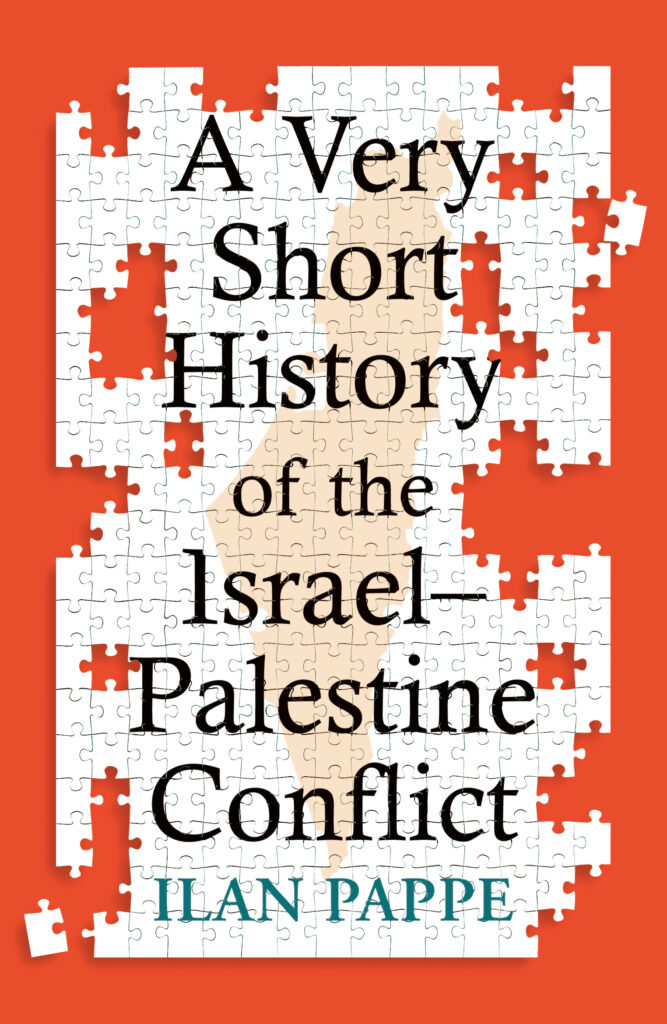
18. A Very Short History of the Israel-Palestine Conflict by Ilan Pappe (December)
I wish I’d picked this book up earlier. It’s comprehensive, succint, and easy to follow. Pappe lays out the history of Zionism and the decades of occupation that Palestinians have been subject to, and explains the context in which October 7 emerged. (Understanding the violence ≠ Justifying it!) Highly, highly recommend this book.
 Kate Yeo
Leave a comment